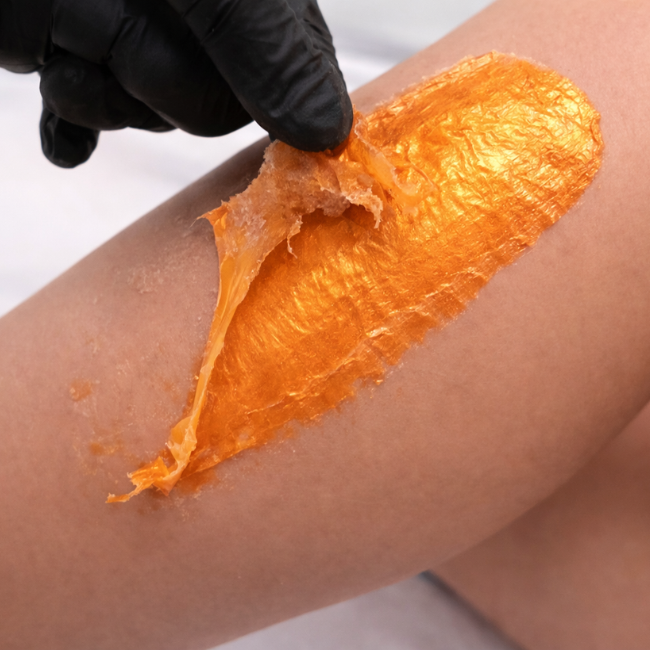
Why Is My Hard Wax Cracking? & How to Fix It
Hard wax cracking during removal is one of the most frustrating issues waxing professionals face.
- It slows you down.
- It disrupts your rhythm.
- And it can make even experienced waxers question their technique.
The good news?
In most cases, cracking isn’t a product failure — it’s a combination of temperature, thickness, timing, or environment.
Let’s break down exactly why hard wax cracks and how to fix it quickly and confidently.
What “Cracking” Actually Means
When hard wax cracks, it usually:
-
Splits into pieces instead of lifting in one strip
-
Breaks mid-pull
-
Feels brittle instead of flexible
-
Leaves small fragments behind
Hard wax should feel slightly elastic and pliable when removed — not rigid or dry.
If it’s snapping instead of stretching, something is off.
The 6 Most Common Reasons Hard Wax Cracks
1️⃣ The Wax Is Applied Too Thin
This is the most common cause.
If hard wax is spread too thin, it doesn’t have enough structure to maintain flexibility. Instead of lifting cleanly, it fractures.
Fix it:
Apply a slightly thicker strip with a defined edge. The wax should have enough body to flex without snapping.
Think flexible — not paper-thin.
2️⃣ The Temperature Is Too High
Overheated wax loses elasticity as it cools and can set into a brittle texture.
If your pot is too hot, the wax may:
-
Spread too easily
-
Set unevenly
-
Dry out faster than expected
Fix it:
Lower your temperature slightly. Hard wax should stretch when lifted — not crack. If it feels overly thin or watery going down, reduce heat incrementally.
Using a professional-grade hard wax formulated for flexibility can also reduce brittleness during removal. Explore the Bombshell hard wax collection here.
3️⃣ The Wax Was Removed Too Soon (Or Too Late)
Timing matters.
-
Remove too soon → wax hasn’t set properly
-
Remove too late → wax becomes overly rigid
Both scenarios can cause cracking.
Fix it:
Test the edge before removal. It should feel set but still flexible. A quick tap test helps — if it feels rubbery and lifts cleanly at the edge, you’re ready.
4️⃣ The Wax Warmer Is Left On 24/7
This is one of the most overlooked causes of cracking.
Leaving your wax warmer on continuously doesn’t ruin wax overnight — but prolonged, constant heat exposure can gradually reduce elasticity.
Over time, this can:
-
Break down the wax’s flexibility
-
Cause it to set harder
-
Increase brittleness during removal
Even if the temperature dial hasn’t changed, extended heating can slowly alter performance — especially in dry winter months.
Fix it:
-
Lower the temperature or turn the warmer off overnight
-
Reheat gradually at the start of the day
-
Stir thoroughly to restore consistency
If cracking seems to increase over time without other changes, evaluate how long the wax has been continuously heated.
5️⃣ Room Temperature & Humidity
Many waxers overlook environmental factors.
Cold rooms make wax set faster and harder.
Dry winter air can reduce flexibility.
High humidity can alter set time.
Seasonal shifts absolutely affect wax performance.
Fix it:
-
Keep your treatment room comfortably warm
-
Adjust pot temperature slightly during colder months
-
Monitor set time instead of relying purely on habit
Technique may stay consistent — climate does not.
6️⃣ Weak or Inconsistent Lip Formation
Without a strong lip (edge), wax can fracture when pulled.
A thin edge forces you to dig under the strip, increasing breakage risk.
Fix it:
Always create a slightly thicker, reinforced lip during application. This ensures a clean grip and even removal pressure.
Is It Ever the Wax?
High-quality hard wax is formulated for flexibility and clean removal. When cracking occurs consistently, it’s almost always related to:
-
Application thickness
-
Temperature calibration
-
Removal timing
-
Environmental conditions
-
Prolonged heat exposure
Before switching products, troubleshoot these variables first.
A Quick Troubleshooting Checklist
If your wax is cracking, ask yourself:
✔ Am I applying it thick enough?
✔ Is my temperature slightly too high?
✔ Did I wait too long before removal?
✔ Has my wax been heated continuously for days?
✔ Is the room colder or drier than usual?
✔ Did I create a strong lip to pull from?
Small adjustments often correct the issue immediately.
Final Thoughts
Hard wax cracking is common — especially during busy seasons when you’re moving quickly or adjusting to environmental changes.
But once you understand the cause, it becomes easy to correct.
Hard wax should:
-
Stretch slightly
-
Remove cleanly
-
Maintain structure without snapping
When applied at the right thickness, temperature, timing, and heating schedule, it performs exactly as intended.
Mastering these details improves:
-
Speed
-
Client comfort
-
Confidence
-
Service consistency
And that’s what separates good waxers from great ones.
Related Waxing FAQs
• Valentine’s Day Inventory Mistakes That Cost Waxers Thousands
Related post
04
Mar

27
Jan

13
Mar

16
Mar
19
Jan
RECENT POSTS


28.August.2026
Male Intimate Waxing: Pre-Wax & Post-Wax Care for a Better Client Experience
0 Comments

01.July.2026
Waxed Skin: Why the First 48 Hours Can Make or Break the Client’s Skin Experience
0 Comments
22.June.2026
The Wax Appointment Is Only Part of the Result: Why Homecare Matters Before and After Waxing
0 Comments