Which Wax Is Best for Sensitive Skin? A Professional Guide for Waxers
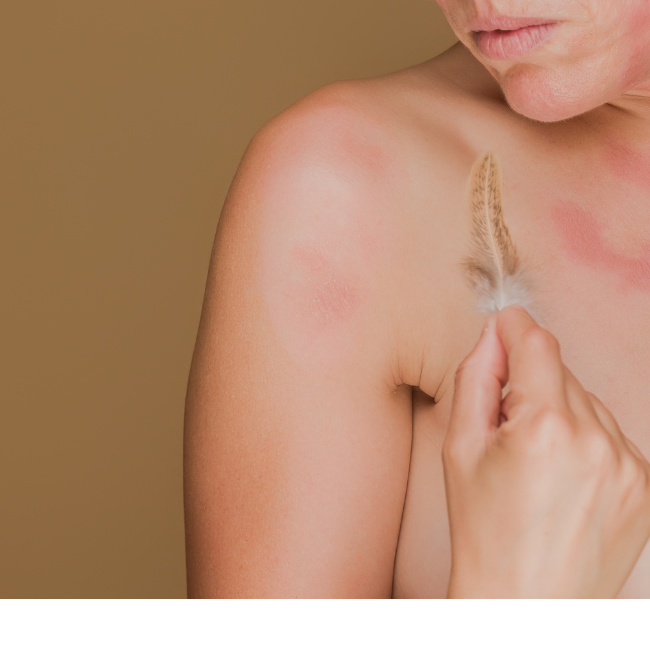
Clients with sensitive skin often approach waxing with hesitation. Redness, irritation, or discomfort are common concerns, especially for first-time waxing clients or those with reactive skin types.
For waxing professionals, choosing the right wax formula can make a major difference in both client comfort and treatment results.
So the question many beauty professionals ask is:
Which wax is best for sensitive skin?
The answer depends on understanding how wax formulas interact with the skin and hair during removal.
Why Sensitive Skin Requires the Right Wax Formula
Sensitive skin reacts more easily to heat, friction, and product ingredients. During waxing, the goal is to remove hair efficiently while minimizing unnecessary contact with the skin.
The best waxes for sensitive skin are designed to:
• Adhere primarily to hair rather than skin
• Remain flexible during removal
• Melt at lower temperatures
• Reduce pulling and irritation
When the correct formula is used, waxing can be both comfortable and effective for clients with delicate or reactive skin.
Hard Wax vs Soft Wax for Sensitive Skin
In most cases, hard wax is the preferred choice for sensitive skin.
Hard wax works differently from soft wax. Instead of requiring a strip for removal, it hardens on the skin and is removed on its own.
This allows the wax to grip hair while minimizing adhesion to the surrounding skin.
Benefits of hard wax for sensitive skin include:
• Less pulling on the skin
• More controlled removal
• Lower irritation risk
• Better performance on coarse hair
This is why hard wax is commonly used for sensitive areas such as:
• Face
• Underarms
• Bikini and Brazilian services
What to Look for in Wax for Sensitive Skin
Not all wax formulas are the same. When choosing a wax for sensitive skin clients, look for formulas that emphasize flexibility and gentle adhesion.
Key characteristics include:
Low Temperature Application Waxes designed for lower working temperatures help reduce heat exposure and improve client comfort.
Temperature also plays an important role in how wax performs on sensitive skin. Wax that is too hot or too cool can increase irritation or reduce flexibility. Learn how to find the correct working consistency in our guide What Temperature Should Hard Wax Be?
Flexible Texture Elastic wax formulas stretch during removal rather than snapping or cracking.
Hypoallergenic Formulas Some waxes are specifically formulated to reduce irritation by limiting fragrance or harsh additives.
Many waxing professionals prefer using hypoallergenic wax formulas designed to minimize irritation and reduce unnecessary adhesion to the skin. These formulas are especially helpful for clients with reactive or easily irritated skin types; hard wax & soft wax
Clean Removal A good wax removes hair efficiently so multiple passes are not required.
The fewer times the skin is waxed, the less irritation the client experiences.
Pre-Wax Preparation for Sensitive Skin
Even the best wax formula benefits from proper skin preparation.
Before waxing sensitive skin:
• Cleanse the skin thoroughly
• Ensure the skin is dry
• Apply a light protective pre-wax barrier if needed
• Avoid waxing irritated or compromised skin
Proper preparation allows the wax to adhere primarily to hair rather than the skin surface.
Technique Matters as Much as Wax Choice
The wax formula alone does not determine the success of a waxing service.
Technique plays a major role in protecting sensitive skin.
Best practices include:
• Applying wax in controlled, even layers
• Creating a defined lip for removal
• Removing wax parallel to the skin
• Holding the skin taut during removal
These steps help minimize discomfort and reduce skin stress.
Common Mistakes When Waxing Sensitive Skin
Even experienced professionals occasionally encounter issues when waxing delicate skin types.
Common mistakes include:
• Wax that is too hot
• Applying wax too thinly
• Repeated passes over the same area
• Removing wax too slowly
Correcting these issues often improves results immediately.
If you’ve experienced wax snapping or breaking during removal, you may want to review our guide on Why Is My Hard Wax Cracking?
Supporting Sensitive Skin After Waxing
Post-treatment care is just as important as the wax used during the service.
After waxing sensitive skin:
• Apply soothing post-wax products
• Reduce friction or heat exposure
• Avoid exfoliation for 24 hours
• Recommend gentle skincare to clients
This helps calm the skin and reduce the chance of post-wax irritation.
Final Thoughts
When working with sensitive skin, the best wax is one that combines:
• Flexibility
• Lower working temperature
• Controlled adhesion
• Efficient hair removal
Hard wax formulas are often the preferred choice because they grip hair effectively while minimizing unnecessary stress on the skin.
Combined with proper preparation and professional technique, the right wax can help sensitive clients enjoy smooth results with minimal irritation.
Professional waxing results depend on both the wax formula and how it is used. For deeper troubleshooting, explore our guides on Why Is My Hard Wax Cracking? and What Temperature Should Hard Wax Be?
Related post

11
Sep
28
Aug
18
Aug

01
Jul
RECENT POSTS
28.August.2026
Male Intimate Waxing: Pre-Wax & Post-Wax Care for a Better Client Experience
0 Comments
01.July.2026
Waxed Skin: Why the First 48 Hours Can Make or Break the Client’s Skin Experience
0 Comments
22.June.2026
The Wax Appointment Is Only Part of the Result: Why Homecare Matters Before and After Waxing
0 Comments