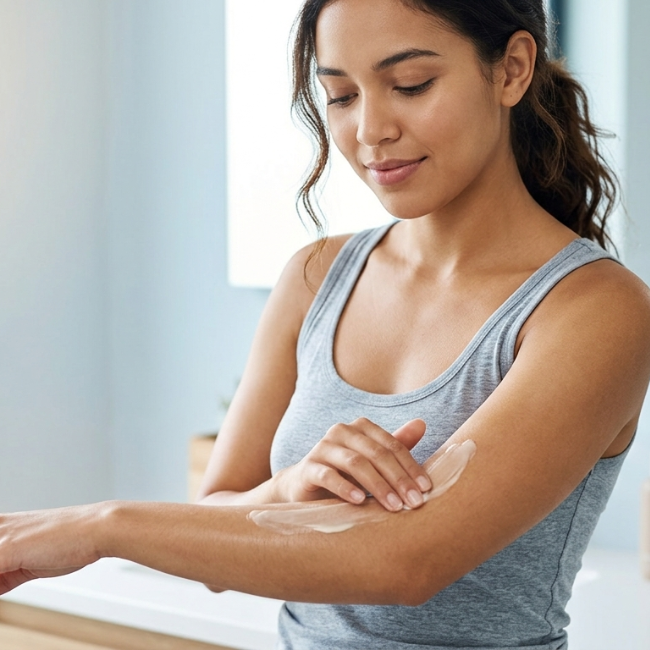
Waxed Skin: Why the First 48 Hours Can Make or Break the Client’s Skin Experience
The first 24 to 48 hours after waxing are some of the most important hours in the client’s skin journey.
This is the period when the skin may feel more sensitive, more exposed, and more reactive. It is also the time when clients are most likely to make mistakes that can lead to discomfort, bumps, irritation, or post-wax breakouts.
The problem is not that clients do not care.
The problem is that many clients leave their appointment without truly understanding what their skin needs next.
For beauty professionals, this creates an important opportunity. The wax service should not end the moment the hair is removed. The final part of the service should help calm the skin, protect the result, and educate the client on what to do once they leave.
Freshly Waxed Skin Needs Recovery First
Immediately after waxing, the goal is not correction. The goal is recovery.
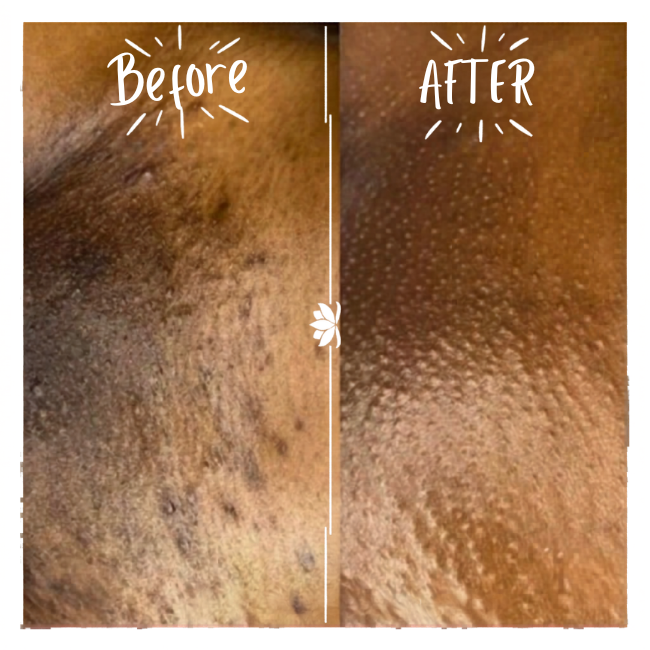
Waxing removes hair from the root and temporarily leaves the follicle area more exposed. The skin may feel warm, tender, or slightly sensitive. This is normal, but it also means the skin should be treated carefully.
Clients should be educated to avoid anything that may create unnecessary heat, friction, bacteria, or irritation.
This includes:
- Hot tubs
- Saunas
- Steam rooms
- Tanning
- Heavy sweating
- Tight clothing
- Harsh scrubs
- Exfoliating acids
- Picking or scratching
- Heavy fragranced products
The message should be simple: give the skin time to settle.
Why Timing Matters
Many clients think they should immediately exfoliate after waxing to prevent ingrown hairs. That is one of the most common misunderstandings.
Exfoliation can be helpful between waxing appointments, but using active exfoliants immediately after waxing can be too much for freshly waxed skin. The skin needs a recovery window before introducing corrective products.
That is why education around timing is so important.
- Immediately after waxing: calm and restore.
- After 24–48 hours: begin correction if the skin is ready.
- Between appointments: maintain consistency.
When clients understand the above sequence, they are more likely to avoid irritation and more likely to see better long-term results.
Post-Wax Mistakes Can Affect the Professional’s Reputation
When a client experiences bumps, breakouts, or irritation after waxing, they may blame the wax, the service, or the professional.
Sometimes that concern may be service-related, but often it is connected to what happened after the client left.
- Maybe they went to the gym immediately after a Brazilian wax.
- Maybe they wore tight leggings all day.
- Maybe they applied a heavy oil or fragranced lotion.
- Maybe they went tanning.
- Maybe they used an acid pad too soon.
- Maybe they touched the area repeatedly.
Without education, the client may not connect those choices to their skin response.
That is why post-wax homecare education protects both the client and the professional.
Recovery Is a Step, Not a Suggestion
The skin’s recovery phase should be respected.
A proper post-wax recovery product can help support comfort and calm the skin after service. This step is especially important for clients with sensitive skin, clients prone to redness, or clients waxing intimate or high-friction areas.
This is where professionals can elevate the service.
Instead of ending the appointment with generic aftercare advice, beauty pros can finish the service with a dedicated recovery step designed to help soothe and restore freshly waxed skin.
Introducing Our Step 2 - Recover
WaxedSkin Step 2 - Recover was created for the immediate post-wax recovery phase.
This step supports the skin when it needs calming, soothing, and comfort after hair removal. It helps reinforce one of the most important post-wax principles:
- Freshly waxed skin should not be rushed into correction.
- First, recover.
- Then, correct.
For professionals, our WaxedSkin Step 2 can be used as a finishing step after the wax service to help the client leave feeling cared for, calm, and educated. It also creates a natural conversation around what the client should avoid during the first 24 to 48 hours.
This changes the client experience.
Instead of leaving with a quick warning about what not to do, the client leaves understanding what their skin needs and why.
Protection Matters After Waxing Too
Recovery is essential, but protection should also be part of the conversation.
Freshly waxed skin, especially on areas exposed to sunlight, may be more vulnerable after treatment. If the client is waxing the face, lip, chin, neck, underarms, arms, chest, back, legs, or bikini line before sun exposure, SPF becomes an important part of responsible post-wax care.
This is especially important when a client is also using exfoliating products between appointments.
Waxing and exfoliation both make timing and protection more important.
The client should understand that SPF is not only a facial skincare product. It is part of maintaining healthy-looking skin after hair removal, especially when the waxed area may be exposed to daylight.
Introducing Our Step 5 - Protect
WaxedSkin Step 5 - Protect was created as the daily defense step in the system.
For beauty professionals, Step 5 gives clients a clear final instruction: protect exposed skin, especially after waxing or exfoliation.
This is a simple way to improve the client’s post-wax routine. After calming the skin with Step 2, professionals can educate clients on when and where to use Step 5 as part of their ongoing homecare.
For exposed areas, Step 5 helps complete the post-wax conversation.
- Recover the skin first.
- Protect exposed skin daily.
- Correct later, once the skin is ready.
That sequence gives the client a much clearer plan.
The Client Should Leave With a Plan
A client should never leave a waxing appointment unsure of what to do next.
They should know:
- What to avoid for the first 24–48 hours
- How to calm and comfort the skin immediately after waxing
- When they can begin exfoliating
- How often to use corrective products
- How to keep the skin moisturized
- When to use SPF
- What to do if irritation occurs
- When to contact their professional
This does not need to be overwhelming. It should be simple, clear, and repeatable.
How Beauty Pros Can Add Recovery and Protection to the Service
The easiest way to improve post-wax results is to make recovery and protection part of the professional protocol.
After the wax, the professional can:
- Apply a calming recovery product before the client leaves.
- Explain why exfoliating acids should wait 24 to 48 hours.
- Recommend SPF for exposed waxed areas.
- Send the client home with clear aftercare instructions.
- Introduce a simple step-based routine for the days between appointments.
This does more than improve skin education. It elevates the service.
When a client understands that their waxer is thinking about skin recovery, barrier comfort, sun exposure, and long-term results, the appointment becomes more than hair removal. It becomes skin care.
Turning Aftercare Into Client Confidence
When a professional explains post-wax homecare clearly, the client feels more confident. They are no longer guessing. They know what to use, when to use it, and what to avoid.
That confidence builds loyalty.
It also helps create better results, because the client becomes part of the process.
Waxing professionals are responsible for the service. But clients are responsible for the care between services.
The best outcomes happen when both are aligned.
The Professional Opportunity
The first 48 hours after waxing are not just a sensitive window for the skin. They are a trust-building window for the professional.
This is when clients are most likely to wonder what is normal, what to avoid, and how to prevent irritation, bumps, or breakouts. A professional who can confidently guide them through that period becomes more than a service provider.
- They become a skin-care resource.
- That is why recovery and protection should not be treated as optional add-ons.
- They should be part of the post-wax experience.
- Because what happens after the wax matters just as much as the wax itself.
Ready to bring recovery and protection into your post-wax service?
Explore WAXEDSKIN Step 2 Recover and Step 5 Protect — two simple ways to help clients leave calmer, more comfortable, and better educated after every wax.
Related post

30
Apr

20
Apr
13
Apr
04
Apr

27
Mar
RECENT POSTS

28.August.2026
Male Intimate Waxing: Pre-Wax & Post-Wax Care for a Better Client Experience
0 Comments
22.June.2026
The Wax Appointment Is Only Part of the Result: Why Homecare Matters Before and After Waxing
0 Comments