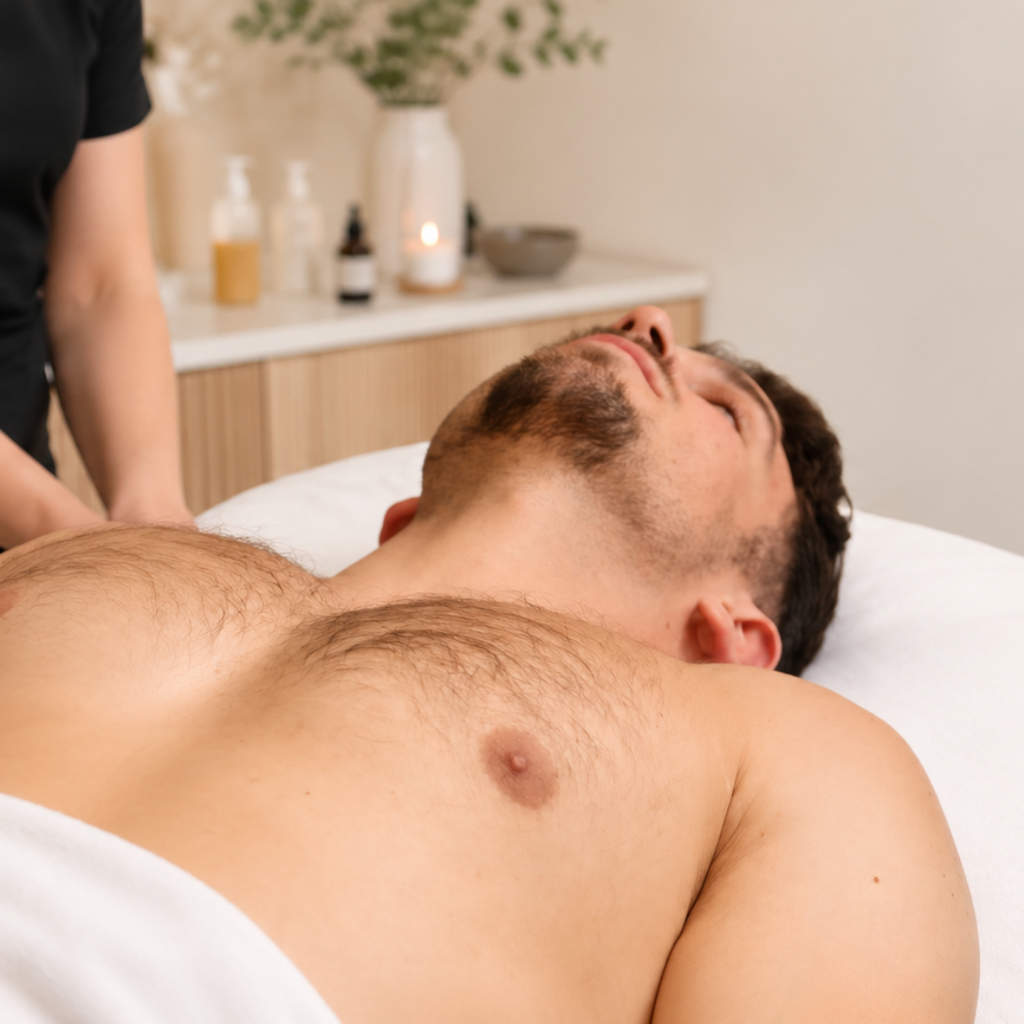
Male Intimate Waxing: Pre-Wax & Post-Wax Care for a Better Client Experience
Male intimate waxing is becoming a more established part of professional grooming, and that creates an important opportunity for waxing professionals.
But delivering a great male intimate wax experience is about more than removing hair.
For many male clients, especially first-time clients, the appointment may come with questions they have never asked anyone before:
Customers' questions and/or thoughts:
- How should I prepare?
- What should I wear?
- What should I do afterward?
- Is redness normal?
- When can I work out?
- What can I use on my skin?
Answering those questions before the client has to ask can make an enormous difference.
Professional male waxing should feel organized, private, comfortable and completely routine. And much of that experience is created by what happens before the wax, immediately after the wax and at home between appointments.
This isn't a guide to male waxing technique.
It's a guide to creating a better male intimate waxing experience through preparation, professional skin care, communication and post-wax homecare.
Male Intimate Waxing Starts Before Client Reaches the Treatment Room
One of the easiest ways to improve a male Brazilian wax or intimate waxing appointment is to stop treating client preparation as something that happens once the client arrives.
Preparation should begin when the appointment is booked.
This is especially valuable for a first-time male waxing client.
Instead of expecting him to know how to prepare, send a short pre-appointment email or text explaining what you want him to do, and what you don't want him to do.
A simple preparation message can remove uncertainty before the appointment even begins.
Tell Clients How to Prepare Their Skin
Encourage clients to keep the intimate area clean and cared for in the days leading up to their appointment.
Remember, great waxing results start at home. Using a gentle daily cleanser can help remove sweat, excess oil and product buildup without turning preparation into an aggressive skin treatment.
The message to the client should be simple:
Clean skin. Calm skin. No last-minute experiments.
The day before a male intimate wax is not the time to try a new scrub, chemical peel, aggressive exfoliant or skincare treatment.
If exfoliation is part of the client's normal homecare routine, it should be appropriately timed and gentle - not performed aggressively immediately before the appointment.
Ask Clients to Arrive Clean and Product-Free
Whenever possible, encourage male intimate waxing clients to shower before their appointment and arrive without heavy lotions, body oils or other products applied to the area being treated.
The American Academy of Dermatology also recommends gently cleansing skin before waxing to remove dirt, dead skin cells and skincare products.
That makes this one of the simplest client-preparation habits a waxing professional can establish.
You aren't asking the client to perform a complicated pre-wax ritual.
You're simply giving yourself a clean, well-prepared starting point.
Give Clients a Pre-Wax “What to Avoid” List
One of the smartest things a waxing professional can do is create a standard male intimate waxing preparation checklist.
Ask clients to tell you about:
-
Current medications
-
Prescription or over-the-counter topical skincare products
-
Recent skin treatments
-
Recent excessive sun exposure or sunburn
-
Cuts, rashes, irritation or active skin conditions in the treatment area
-
Known product or ingredient sensitivities
-
Any significant change in their skin since their previous appointment
This is not just paperwork.
It reinforces that waxing is a professional skin treatment.
Certain medications and skincare products can affect whether skin is appropriate for waxing. The American Academy of Dermatology specifically cautions about waxing in connection with medications including isotretinoin, certain antibiotics and topical tretinoin.
Your intake and consultation process should always reflect your licensing requirements, professional training and scope of practice.
Don't Forget the Clothing Conversation
This is an easy detail to overlook.
What a client wears after an intimate wax may matter more than what he wears into the studio.
Recommend loose, breathable clothing whenever possible.
A client who arrives wearing compression shorts, tight synthetic underwear and slim-fitting pants may be putting freshly waxed skin right back into an environment of heat and friction as soon as the appointment ends.
The AAD recommends loose clothing following waxing as part of helping soothe freshly waxed skin.
Make that recommendation before the appointment.
REMEMBER: It is far more useful to tell a client what to wear tomorrow than to tell him after his wax that he wore the wrong thing.
In the Treatment Room: Professionalism Creates Comfort
Male intimate waxing can feel extremely routine to the waxing professional while still feeling very unfamiliar to the person on the table.
That difference matters.
Some first-time male clients may be nervous about discomfort.
Others may simply be uncomfortable because they don't know what is expected of them.
Professional communication eliminates much of that uncertainty.
Explain the Experience Before Starting
Before the service, briefly explain:
-
What the appointment includes
-
Approximately how long the appointment should take
-
What the client can expect immediately afterward
-
How privacy and draping are handled in your studio
-
What post-wax care you recommend
-
When you would like to see them again
The objective isn't to overwhelm the client with information.
It is to demonstrate that you have a process.
A calm professional who communicates clearly sends a powerful message:
We've done this before. You're in a professional environment. We know how to take care of you.
For a first-time male Brazilian wax client, that reassurance may be as important as anything else you do during the appointment.
Keep the Language Professional
Male intimate waxing doesn't need to be awkward.
Use consistent anatomical or professional terminology. Explain only what needs to be explained. Avoid making assumptions about why the client wants the service.
- Some clients wax for grooming.
- Some for sports.
- Some for personal preference.
- Some for a partner.
- Some simply like the way smooth skin feels.
The reason doesn't have to matter.
Your job is to provide the same respectful, professional client experience to everyone.
Cleanse Before the Service
The treatment room is another opportunity to establish a clean starting point.
Use your professional pre-wax cleansing protocol to remove residual perspiration, oils or products from the external skin being treated.
This is also an excellent moment to visually evaluate the condition of the skin before proceeding.
- Is there unexpected irritation?
- A rash?
- A cut?
- Sunburn?
- Something the client forgot to disclose?
Being willing to delay or modify a service when the skin tells you something isn't right is part of being a professional.
The Male Intimate Wax Isn't Finished When the Hair Is Gone
One of the biggest opportunities in professional waxing is changing the idea that the service ends when hair removal ends.
It doesn't.
The final few minutes of the appointment are where the professional transitions from waxing the client to educating the client.
This is particularly important with intimate waxing because the area experiences substantial contact with clothing, heat, perspiration and friction during normal daily life.
Your client should leave knowing exactly what the skin needs next.
Immediately After Waxing: Think Recovery First
Freshly waxed skin may temporarily appear red or feel more sensitive.
The goal immediately afterward should therefore be calming and recovery, not aggressive correction.
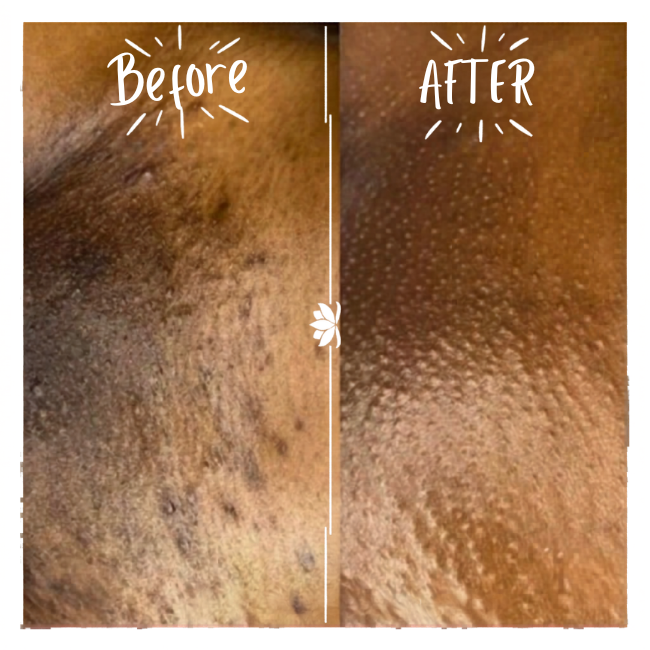
The first 48 hours after a wax can make or break the customers' skin experience.
Recover first. Correct later.
WAXEDSKIN Step 2 Recover was created as the immediate post-wax recovery step before exfoliating or corrective products are reintroduced later in the homecare cycle.
Whatever professional post-wax system you use, the principle is important:
- Don't send clients home believing they need to start scrubbing freshly waxed skin to prevent ingrown hairs.
- The skin gets an opportunity to recover first.
- Correction comes later.
The First 24–48 Hours After a Male Brazilian Wax
If there is one post-wax lesson every male intimate waxing client should understand, it is this:
Keep freshly waxed skin clean, cool and low-friction.
For approximately the first 24 to 48 hours, educate clients to be conservative with the area.
Depending on their skin and your professional protocol, recommendations commonly include:
-
Avoiding very hot baths and showers
-
Avoiding saunas, steam rooms and hot tubs
-
Avoiding intense workouts and excessive sweating
-
Wearing loose, breathable clothing
-
Avoiding aggressive physical exfoliation
-
Holding off on exfoliating acids and other active corrective products
-
Avoiding unnecessary rubbing or friction
-
Keeping the area gently cleansed
-
Using only appropriate post-wax recovery products
The AAD specifically recommends avoiding hot baths and showers and wearing loose clothing while freshly waxed skin settles.
Because reducing friction is the goal, many waxing professionals also advise clients to postpone friction-heavy activities - including sexual activity - until the skin feels calm and comfortable.
This doesn't need to become an uncomfortable conversation.
Put it on the written aftercare card.
Professional written instructions make intimate topics much easier to communicate.
After the Recovery Window: Now Think About Ingrown-Prone Skin
Once the initial post-wax recovery period has passed and the skin looks and feels normal, the focus changes.
Now you can begin thinking about what happens between waxing appointments.
This is where many clients struggle.
They wait until they see bumps or ingrown hairs and then aggressively attack the area with scrubs, acids, tweezers or whatever product social media told them to buy.
A professional waxing program supported by a post-wax skincare system formulated for after care at home should be more intentional.
Cleanse Daily
Keep the skin consistently clean without over-cleansing or aggressively stripping it.
Daily cleansing helps remove perspiration, surface oil and product buildup from an area naturally affected by heat and friction.
Correct 2 to 3 days post
Once the skin has recovered sufficiently, clients who are appropriate candidates can introduce the corrective or exfoliating portion of their professional homecare routine.
The important part isn't simply recommending exfoliation.
It's teaching clients when to exfoliate.
Freshly waxed skin gets recovery.
Recovered skin can move into correction.
That distinction can help clients stop treating every stage of their waxing cycle exactly the same way.
Maintain
Not every day needs to be an exfoliation day.
Skin also needs maintenance and conditioning between appointments.
A lightweight botanical treatment oil or other professional maintenance product can become part of the client's routine on non-correction days.
The goal is consistency - not aggression.
Protect When Skin Is Exposed
Sun protection belongs in the waxing conversation too.
This is especially important when waxed or exfoliated skin may be exposed to daylight, such as the upper bikini area, thighs, abdomen, chest or other body areas.
Not every intimate area is exposed to sunlight, of course.
Teach clients to use SPF where it makes sense.
Give Every Male Waxing Client an Actual Homecare Plan
“Don't exfoliate today.”
“Stay out of the gym.”
“Use something for ingrowns.”
Those statements may be technically useful, but they aren't a homecare program.
Clients do better when their instructions answer four simple questions:
What should I use?
When should I use it?
What should I avoid?
When should I start doing everything again?
This is why a structured post-wax skin system can be so powerful for a waxing business.
Instead of sending a male client into a drugstore aisle to figure it out himself, the waxing professional becomes his skin-care resource.
The message can be remarkably simple:
Cleanse → Recover → Correct → Maintain → Protect
WAXEDSKIN system was formulated around that waxing cycle, giving beauty professionals a way to connect what happens in the treatment room with what clients do at home.
Make Male Waxing Aftercare Easy to Follow
Consider giving every male intimate waxing client the same short aftercare card, text or automated email.
BEFORE YOUR NEXT WAX
2–3 Days Before
-
Follow your normal professional-recommended cleansing routine.
-
Avoid aggressive skin treatments or excessive exfoliation.
-
Let your wax professional know about changes in medications, skincare products or your skin.
Day of Appointment
-
Shower if possible.
-
Arrive with clean skin.
-
Avoid applying heavy lotion or body oil to the treatment area.
-
Wear loose, comfortable clothing.
AFTER YOUR WAX
First 24–48 Hours
-
Recovery comes first.
-
Keep skin clean and comfortable.
-
Avoid excessive heat, perspiration and friction.
-
Skip aggressive scrubs and exfoliating acids.
-
Wear loose, breathable clothing.
After the Recovery Period
-
Resume your professional-recommended homecare routine.
-
Cleanse consistently.
-
Introduce corrective exfoliation as directed.
-
Maintain the skin between correction days.
-
Protect exposed waxed or exfoliated skin from the sun.
Simple instructions are much more likely to become habits.
Better Homecare Can Create Better Waxing Clients
There is another benefit to educating clients about male waxing prep and aftercare.
It changes the relationship.
Instead of seeing you simply as the person who performs their male Brazilian wax every few weeks, the client begins seeing you as the professional responsible for helping them manage their waxed skin.
That distinction creates value.
It gives you a reason to discuss their skin at every appointment.
- How did it feel after the last wax?
- Any bumps?
- Any irritation?
- Any ingrowns?
- What products did they actually use?
- Did they follow their aftercare?
- Has anything changed?
Those conversations help you build a more informed client history and a more customized professional relationship over time.
They can also make professional homecare retail feel far more natural.
You aren't “selling skincare.”
You are recommending the products that support the service your client is already paying you to perform.
Male Intimate Waxing Is a Client Experience
The growth of men's grooming gives waxing professionals an opportunity to build a stronger male clientele.
But don't make the mistake of thinking the opportunity is simply adding Male Brazilian Wax or Manzilian Wax to the service menu.
The opportunity is creating a repeatable, great experience:
- Professional.
- Private.
- Predictable.
- Educational.
- Skin-focused.
The male intimate waxing experience begins before the appointment, continues in the treatment room and follows the client home:
- Prepare the client.
- Prepare the skin.
- Help the skin recover.
- Teach the client how to care for it.
- Then repeat.
Because professional waxing isn't only about removing hair.
It's about taking care of the skin—and the person—in your care.
Male Intimate Waxing FAQs for Professionals
What should a male client do before an intimate waxing appointment?
Encourage clients to arrive clean, avoid heavy oils or lotions on the treatment area, avoid aggressive last-minute exfoliation and disclose medications, active skincare products, irritation, sunburn or recent skin treatments that could affect the service.
What should a male client wear to a Brazilian wax appointment?
Loose, breathable clothing and underwear are generally preferable because they can help minimize unnecessary friction against freshly waxed skin after the appointment.
What should clients avoid after male intimate waxing?
During the initial recovery period, clients should generally minimize excessive heat, perspiration, friction and aggressive exfoliation. This may mean temporarily avoiding intense workouts, hot tubs, saunas, very hot showers, tight clothing and exfoliating skincare products.
When should a male waxing client start exfoliating after a wax?
Freshly waxed skin should be allowed to recover first. Once the skin looks and feels normal, the client can transition back into the exfoliation or corrective portion of the homecare routine according to the professional's recommendations and product directions.
How can a waxing professional make first-time male clients more comfortable?
Clear communication is one of the most effective tools. Explain the appointment beforehand, provide written preparation instructions, maintain professional terminology, establish expectations around privacy and aftercare, and treat male intimate waxing as the normal professional service that it is.
When should a client seek medical advice after waxing?
Some temporary redness or sensitivity can occur following waxing. The American Academy of Dermatology recommends seeing a board-certified dermatologist if redness or swelling persists for more than two days.
Related post

30
Apr

20
Apr
13
Apr
04
Apr

27
Mar
RECENT POSTS


01.July.2026
Waxed Skin: Why the First 48 Hours Can Make or Break the Client’s Skin Experience
0 Comments
22.June.2026
The Wax Appointment Is Only Part of the Result: Why Homecare Matters Before and After Waxing
0 Comments