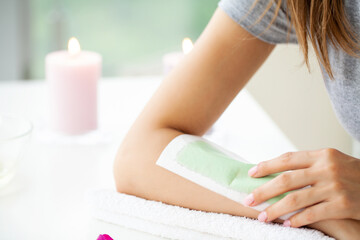
Soft Wax Techniques: Tips for Beginners and Pros
Soft wax is a favorite in salons and home studios because it is fast, efficient, and great for removing even fine, stubborn hair. Whether you are just starting out or you have years of waxing experience, refining your technique will always give better results and happier clients. In this guide we will walk through practical tips that help beginners feel confident and give seasoned pros a few fresh reminders and refinements.
What Makes Soft Wax Different
Before getting into technique, it helps to understand what sets soft wax apart.
-
Used with strips: Soft wax is applied in a thin layer and removed with a non woven or muslin strip.
-
Great for large areas: Legs, arms, back, chest and sometimes underarms are ideal, because soft wax works quickly over bigger surfaces.
-
Cleans up fine hair: Because it is applied thinly, it can grip shorter and finer hairs more easily than some hard waxes.
Knowing these basics shapes how you prepare the skin, how much wax you pick up, and how you remove it.
Prep Work: The Foundation of a Good Wax
Soft wax is not very forgiving if the prep is rushed. A few minutes of preparation can be the difference between smooth skin and irritation.
1. Check length and condition of the hair
-
Hair should usually be around the length of a grain of rice.
-
If it is much longer, trim it slightly so the wax can grip without tugging too hard.
-
Avoid waxing over broken skin, open blemishes, or severe sunburn.
2. Cleanse the skin
Oil, sweat, and residue can prevent soft wax from adhering properly.
-
Gently cleanse the area with a pre wax cleanser or mild antiseptic solution.
-
Pat completely dry before applying any wax.
3. Use a light pre wax product if needed
If the skin is very dry, a tiny amount of lightweight pre wax oil or lotion can help, but only use a whisper thin layer. Soft wax works best when it can still grip the hair, not slide over the product.
Temperature and Consistency
Soft wax should never feel uncomfortably hot on the skin.
-
Aim for a honey like consistency, smooth and spreadable, not runny and not clumpy.
-
Always test the wax on the inside of your wrist before touching a client or yourself.
-
If the wax strings excessively, it is often too cool. If it runs off the spatula, it is too hot or too thin.
Professional tip: Consistency matters more than the number on the heater. Each room, heater, and wax formula behaves a little differently, so train your eye to recognize that perfect texture.
Application Basics for Beginners
Once your soft wax is at the right temperature, it is time to apply.
1. Use the right amount on the spatula
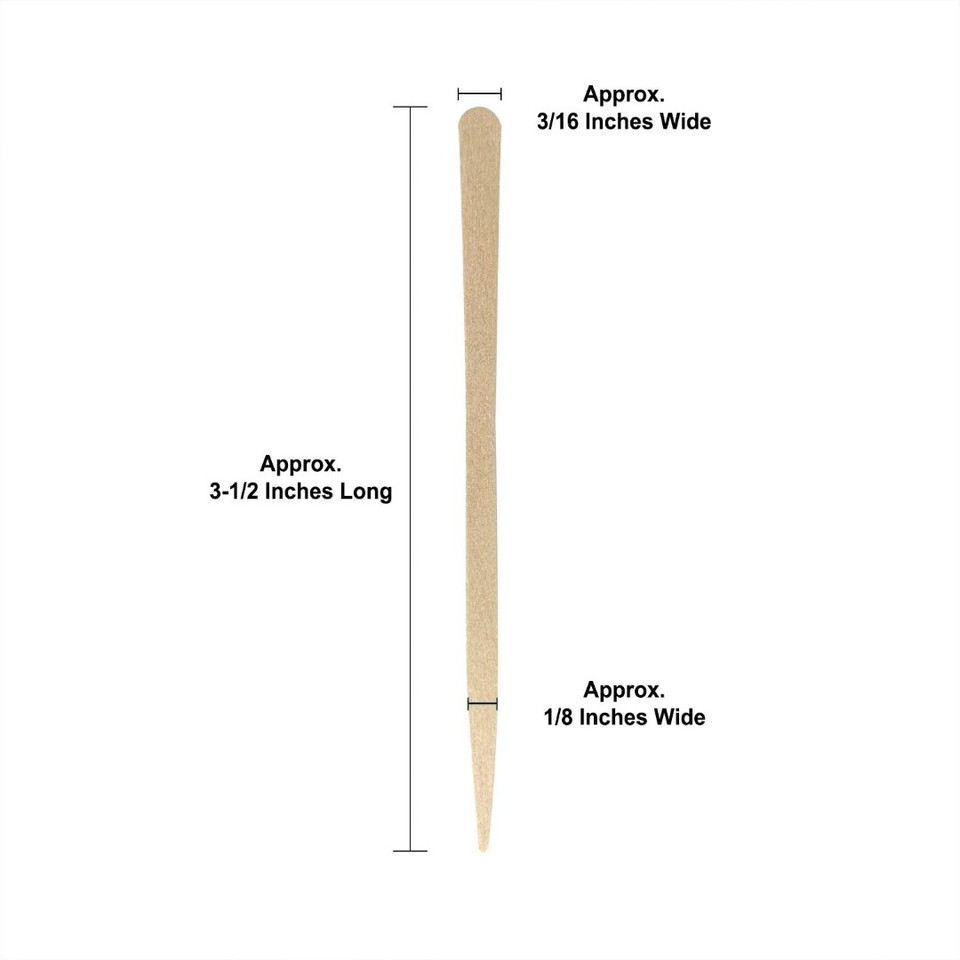
Pick up a modest amount of wax, enough to create a thin, even strip about the width of two to three fingers. Beginners often use too much wax, which leads to mess and discomfort.
2. Follow the direction of hair growth
-
Apply soft wax with the direction of hair growth.
-
Keep the spatula at a low angle and press the wax into the hair, not just over the skin.
-
Finish the stroke with a slightly thicker edge at the end of your strip. This gives you an anchor point for removal.
3. Work in manageable sections
Smaller sections are easier to control, especially if you are learning.
-
For legs, start with sections of about the length of your hand.
-
For arms or underarms, work in smaller patches, adjusting to hair growth patterns.
Strip Removal: Where Technique Counts
Even perfect application will not save a poor removal. Soft wax removal should be quick, low, and controlled.
1. Press and smooth the strip
Place the strip over the wax and press it firmly in the direction of hair growth. Use one hand to smooth it a couple of times so the strip bonds with the wax.
2. Hold the skin taut
With your free hand, pull the skin tight near the edge where you will start the removal. Proper tension reduces pain and prevents bruising or lifting.
3. Remove against hair growth in one quick motion
-
Lift a small corner of the strip near the thicker wax edge.
-
Pull parallel to the skin, not straight up.
-
Use one quick, confident motion rather than slow pulling.
If you are new, practice on your own legs to build that muscle memory. Confidence in your pull is something clients can feel.
Advanced Technique Tips for Pros
Experienced waxers using soft wax can elevate results and speed with a few refinements.
1. Combine strip directions strategically
Hair often grows in multiple directions. Instead of forcing one long strip, divide the area according to growth patterns and adjust your strip directions. This leaves fewer missed hairs and reduces the need for excessive cleanup passes.
2. Master overlapping and clean up passes
With soft wax you should avoid too many passes on the same area, especially on delicate skin.
-
Use one full strength pass, then a very light cleanup pass if needed, with minimal wax.
-
Avoid re waxing more than two or three times on the same spot, particularly on the face, bikini, or underarms.
3. Use pressure as a finishing touch
After you remove the strip, immediately place your hand gently but firmly over the area for a few seconds. This soothing pressure can significantly reduce discomfort and redness.
Common Mistakes With Soft Wax and How to Fix Them
Even seasoned professionals run into issues sometimes. Here are frequent problems and solutions.
Wax sticking or not removing cleanly
-
Check that the skin was properly cleansed and not oily.
-
Confirm that your wax is not too cool or too thick.
-
Make sure you pressed the strip firmly before removal.
Excess redness or irritation
-
You may be going over the same area too many times.
-
The wax temperature might be slightly too high.
-
Be sure you are keeping your removal low and close to the skin, not pulling upward.
Lots of broken hairs
-
Wax might be too cool, so it grabs the hair weakly.
-
You may be pulling against hair growth at the wrong angle.
-
Hair may be too short, so wait a little longer before the next session.
Aftercare: Protecting Freshly Waxed Skin
Soft wax removes hair and some surface dead skin, which leaves the area smooth but more vulnerable.
Immediately after waxing
-
Apply a soothing post wax product that calms the skin and helps remove residue.
-
Avoid heavy fragrances and aggressive acids on freshly waxed areas.
In the next 24 to 48 hours
Recommend these habits for yourself or your clients:
-
No hot baths, saunas, or intense workouts that cause heavy sweating soon after waxing.
-
Avoid tight clothing over freshly waxed areas that might cause friction.
-
Wait before applying self tan or strong active skincare products.
Ongoing maintenance
-
Gentle exfoliation between sessions helps prevent ingrown hairs.
-
Hydrated skin allows soft wax to apply more evenly in future services.
Building Confidence With Soft Wax
Whether you are a beginner learning on your own or a pro refining your salon routine, soft wax can be a powerful tool when used with intention and care. Take time to understand hair growth patterns, practice consistent application, and perfect your removal technique.
With solid prep, the right consistency, and confident technique, soft wax becomes not just a product, but a skill that elevates every service. Keep practicing, pay attention to how skin responds, and you will keep improving with every strip you remove.
Related post

19
Nov
18
Nov
07
Nov
07
Nov
07
Nov
RECENT POSTS

28.August.2026
Male Intimate Waxing: Pre-Wax & Post-Wax Care for a Better Client Experience
0 Comments

01.July.2026
Waxed Skin: Why the First 48 Hours Can Make or Break the Client’s Skin Experience
0 Comments
22.June.2026
The Wax Appointment Is Only Part of the Result: Why Homecare Matters Before and After Waxing
0 Comments