Exploring Wax Temperature and Melting Points: A Guide for Estheticians
Temperature control is one of the most critical factors in achieving a flawless waxing experience. The right wax temperature ensures smooth application, minimizes discomfort for clients, and prevents potential skin irritation. Whether you're using hard wax, soft wax, or hybrid formulas, understanding their melting points and ideal working temperatures is essential for professional estheticians.
In this guide, we’ll explore the importance of wax temperature, the melting points of different wax types, and how to maintain optimal consistency for perfect results.
Why Wax Temperature Matters
Proper wax temperature affects both performance and client comfort. When the wax is heated to the right consistency, it glides onto the skin smoothly and adheres properly to the hair, allowing for clean removal.
However, if the wax is too hot, it can cause burns or irritation, leading to a painful experience for the client. On the other hand, if the wax is too cold, it may not adhere correctly, resulting in uneven removal and breakage of hair at the surface instead of being pulled from the root.
The Ideal Hard Wax Consistency Should Be:
✔ Honey-like in texture
✔ Thick but spreadable
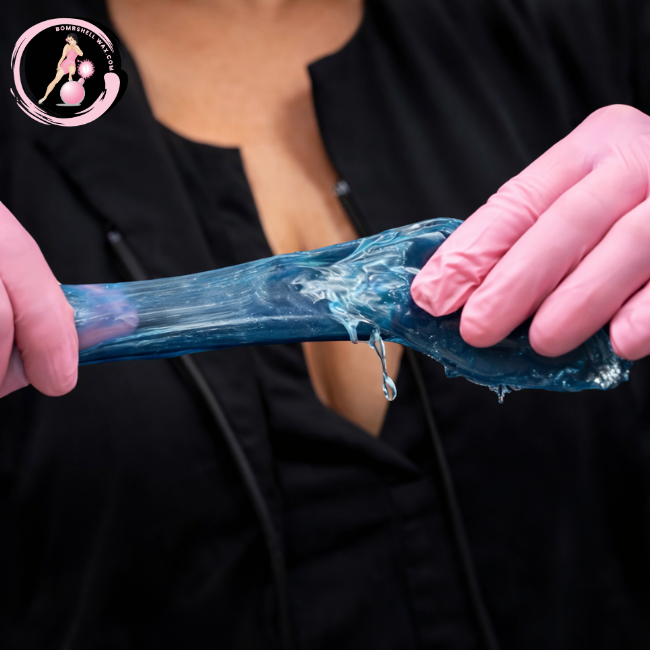
✔ Elastic when lifted
✔ Smooth — not watery
✔ Flexible — not brittle
If it stretches slightly when you lift the edge before removal, you’re in the correct range.
Maintaining the correct temperature ensures:
- A smooth and even application.
- Efficient hair removal without unnecessary irritation.
- A comfortable experience for the client.
- A faster, more effective waxing session.
By understanding the melting points and ideal application temperatures of different waxes, estheticians can ensure top-tier results every time.
Understanding Wax Melting Points
Different types of waxes require different temperatures to reach the right consistency for application. Here’s a breakdown of the melting points of the most commonly used waxes:
1. Hard Wax
- Melting Point: 130-150°F (55-65°C)
- Ideal Application Temperature: Warm but not too runny. Should spread smoothly and evenly.
Hard wax is a favorite among estheticians for sensitive areas like the face, bikini line, and underarms. It is designed to adhere to hair rather than the skin, reducing irritation. To achieve the best results, hard wax should be heated to a consistency similar to thick honey, warm enough to spread easily but not so hot that it drips.
2. Soft Wax (Strip Wax)
- Melting Point: 100-140°F (38-60°C)
- Ideal Application Temperature: A thinner, spreadable consistency.
Soft wax is commonly used for larger areas like legs, arms, and the back. It requires a lower temperature than hard wax and is removed with waxing strips. If soft wax is too hot, it can become overly runny, leading to excessive product waste and a messy application. If too cold, it won’t grip the hair effectively, requiring multiple passes, which can irritate the skin.
3. Hybrid Waxes
- Melting Point: 120-140°F (49-60°C)
- Ideal Application Temperature: Mid-range between hard and soft wax for versatility.
Hybrid waxes combine the best features of both hard and soft waxes. They offer flexibility, making them suitable for multiple body areas while remaining gentle on the skin. These waxes should be heated to a consistency where they remain pliable but not overly liquid.
Controlling Wax Temperature for Optimal Results
Keeping wax at the correct temperature throughout a waxing session is essential. A wax that starts at the right consistency but cools too quickly or overheats can lead to inconsistent application and discomfort for the client. Here’s how to maintain optimal wax temperature:
-
Use a Professional Wax Warmer
- Investing in a high-quality wax warmer ensures precise temperature control, keeping the wax at a stable, optimal heat level.
- Avoid using microwaves, as they create uneven heating and make temperature regulation difficult.
- Understand not all wax warmers are calibrated equally. A dial set to “Medium” on one warmer may be significantly hotter than another. Consider the age of the warmer, ambient room temperature, if the lid is on vs lid off and the frequency of opening the lid, and whether wax is left heating 24/7. Instead of relying solely on the dial, always test the texture.
-
Stir Regularly
- Stirring helps distribute heat evenly and prevents overheating in certain areas of the wax pot.
- Always mix wax thoroughly before application to maintain a uniform texture.
-
Consider Room Temperature
- Cold environments can cause wax to cool too quickly, making it difficult to spread.
-
If working in a cool room, adjust the warmer’s settings slightly to keep the wax at an ideal consistency.
- In the winter, rooms are colder, wax sets faster, you may need slightly higher working heat
- In summer, wax stays softer longer, lower heat may prevent over-softening
-
Perform a Patch Test
- Always test the wax temperature on your wrist before applying it to a client. This prevents accidental burns and ensures a comfortable experience.
- The Stretch Test Method - Before removing any strip: Tap the surface lightly, lift a small corner, and observe the stretch. If it lifts smoothly, stretches slightly, and doesn’t snap, you’re at the right temperature. If it snaps → too cool or too brittle. If it feels overly soft → too hot.
Common Mistakes and How to Avoid Them
Even experienced estheticians can run into temperature-related issues. Here are some of the most common mistakes and how to correct them:
- Overheating the Wax: If wax is too hot, allow it to cool slightly before applying it to the skin. Stirring will also help lower the temperature more quickly.
- Not Adjusting for Different Wax Types: Using the same temperature setting for all waxes can lead to ineffective application. Adjust according to the wax type you’re using.
- Skipping the Patch Test: Always test the wax temperature before applying it to the client. This ensures it is comfortable and safe.
- Wax Too Cold or Thick: If the wax is too thick or hard to spread, increase the temperature slightly and stir to ensure proper consistency.
Signs Your Hard Wax Is Too Hot
- It spreads too thin without resistance
- It feels watery
- It sets too quickly and becomes brittle
- It cracks during removal
- It feels uncomfortable for the client
Overheated wax often leads to cracking because prolonged high heat can reduce elasticity.
Fix:
Lower your warmer slightly and allow the wax to stabilize before testing again.
Signs Your Hard Wax Is Too Cool
- It drags during application
- It won’t spread smoothly
- It forms thick clumps
- It lifts unevenly
- It doesn’t grip hair effectively
Cool wax may feel “safe,” but it can reduce efficiency and require multiple passes.
Fix:
Increase temperature gradually — small adjustments make a big difference.
Should You Leave Your Warmer On All Day?
During a full workday, yes.
But leaving your wax warmer on 24/7 can:
-
Gradually reduce flexibility
-
Cause texture changes
-
Increase brittleness over time
For best performance:
-
Turn off or lower heat overnight
-
Reheat gradually
-
Stir thoroughly before starting services
Consistency matters.
How Bombshell Wax Ensures Perfect Temperature Control
At Bombshell Wax, we understand the importance of temperature control in achieving flawless waxing results. That’s why our waxes are formulated to melt smoothly at optimal temperatures, ensuring easy application and client comfort.
- Precision Formulation: Our waxes are designed to heat evenly, reducing the risk of overheating or cooling too quickly.
- Gentle on Skin: Bombshell Wax melts at a lower temperature than many conventional waxes, minimizing the risk of burns or irritation.
- Consistent Performance: Whether you’re using hard wax for sensitive areas or soft wax for larger sections, our formulas ensure smooth, effortless application.
By choosing Bombshell Wax, estheticians can work with confidence, knowing they’re using a product that maintains the perfect balance between performance and client safety.
Conclusion
Mastering wax temperature and melting points is essential for delivering high-quality waxing services. Understanding the different melting points of hard wax, soft wax, and hybrid waxes helps estheticians provide a more comfortable experience while achieving superior results.
By maintaining precise temperature control, using a professional wax warmer, and choosing high-quality waxes like Bombshell Wax, estheticians can ensure smooth application, minimal irritation, and satisfied clients.
Are you ready to elevate your waxing services? Explore Bombshell Wax’s premium formulas today for a better, smoother waxing experience!
For more information on overheated wax becoming brittle and cracking, how environmental changes are one of the most overlooked causes of wax performance issues, and more hard wax temperature control info read our full breakdown: Why Is My Hard Wax Cracking? (And How to Fix It) and 3 Steps for the Perfect Hard Wax Consistency
FAQs
1. What is the best temperature for applying hard wax?
The ideal application temperature for Bombshell Hard Wax is between 130-135°F (54-67°C) - warm enough to spread smoothly but not too hot to cause discomfort.
2. How can I tell if my wax is too hot or too cold?
Perform a patch test on your wrist. If it feels too hot, let it cool slightly. If it’s too thick or difficult to spread, increase the temperature slightly.
3. Does room temperature affect wax consistency?
Yes, a cold environment can cause wax to harden too quickly, while a warm room may keep it too runny. Adjust your wax warmer settings accordingly.
4. Can overheating wax change its effectiveness?
Yes, overheating can break down the wax’s formula, making it less effective and more likely to cause skin irritation.
5. Should I leave my wax warmer on overnight?
For best performance, turn off or lower heat overnight to avoid uneven consistency and cracking
6. Why does my wax behave differently in winter?
In the winter colder temperatures can cause the wax to set faster, so you may need slightly higher working heat.
7. What makes Bombshell Wax ideal for maintaining proper wax temperature?
Bombshell Wax is designed to melt evenly and stay at an optimal working temperature, ensuring smooth application and gentle results.
Related post
22
Jan
10
Feb
19
Feb

06
Jan

02
Jan
RECENT POSTS
28.August.2026
Male Intimate Waxing: Pre-Wax & Post-Wax Care for a Better Client Experience
0 Comments

01.July.2026
Waxed Skin: Why the First 48 Hours Can Make or Break the Client’s Skin Experience
0 Comments
22.June.2026
The Wax Appointment Is Only Part of the Result: Why Homecare Matters Before and After Waxing
0 Comments